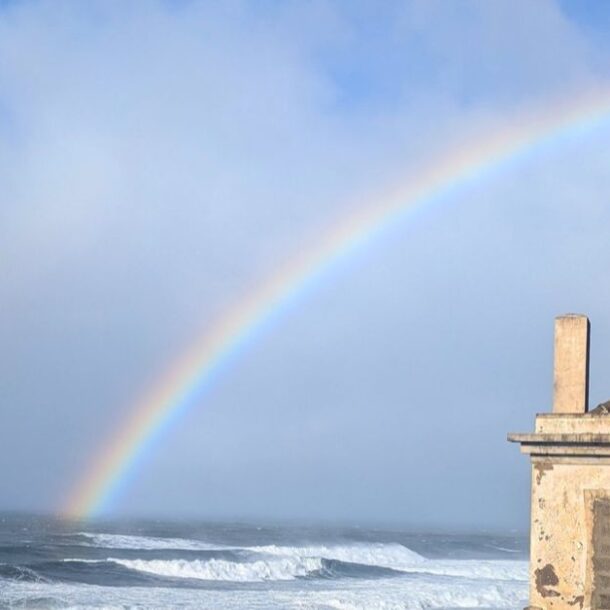
A bird that, to me, is just part of Madeira
Anyone who lives on Madeira may be familiar with these unusual calls, which can be heard at night, especially during the summer months. They come from the cagarras, the yellow-billed shearwaters.
As soon as the sun goes down, you can hear them sweeping across the sky. Their calls—sometimes almost plaintive and raspy—accompany many a summer night. Sometimes it feels as though they never stop. Anyone unfamiliar with these sounds will probably wonder at first what kind of animals are making them.
For me, these nighttime voices have simply become part of life on Madeira. I never cease to be fascinated by the sight of the birds circling overhead after sunset, and by the fact that you can hear them all night long.
As autumn progresses, their calls gradually become less frequent. Things start to quiet down, especially in October. There’s a reason for this: the breeding season is coming to an end, and the young birds are setting out on their first big journey across the Atlantic.
A bird that actually lives at sea
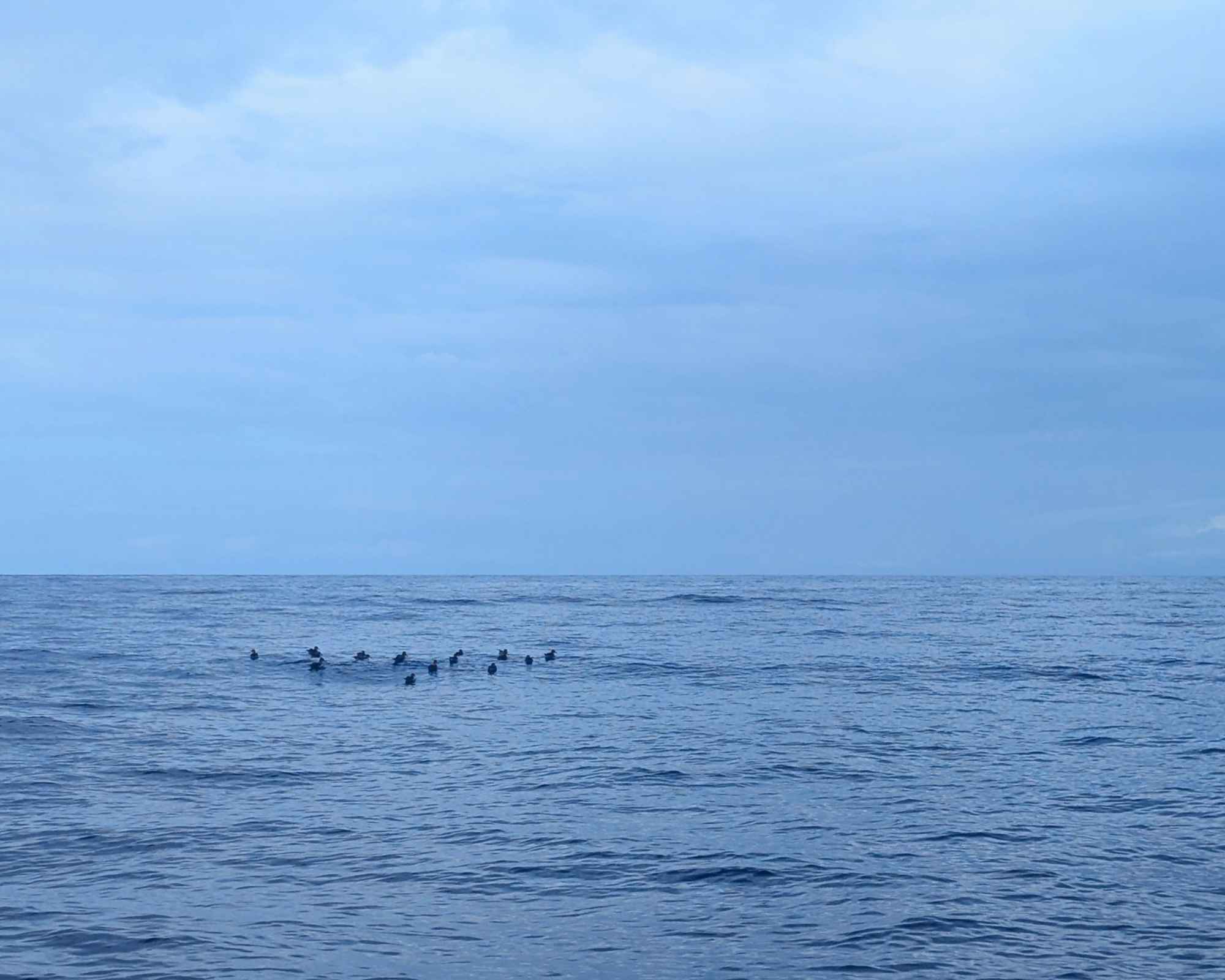
What I find particularly fascinating is that yellow-billed shearwaters spend most of their lives on the open ocean. They are true seabirds and come ashore only during the breeding season.
Their nests are located in rock crevices, caves, and sheltered areas along steep coastlines. There are also important breeding colonies on the offshore islands of Madeira, such as the Selvagens.
They feed mainly on fish and squid and are excellent fliers. With their long wings, they glide over the waves of the Atlantic, sometimes covering incredibly long distances.
In fact, you don’t see them that often from land. If you really want to observe them, it’s worth taking a boat tour out to sea.
For example, I was lucky enough to spot these special birds out on the Atlantic Ocean during a whale-watching tour with Lobosonda. There, you get a completely different perspective on how they live above the water and move about in their natural habitat.
If you’re in Madeira and want to take a tour like this, I can recommend Lobosonda in Calheta. With a little luck, you can spot various seabirds there, in addition to dolphins and whales.
My tip: In my detailed post about dolphin and whale watching in Madeira, you’ll also find my personal discount code for Lobosonda:
Click here for the article: Dolphin and Whale Tour in Madeira – Sustainable Whale Watching & Tips
Use the code VAMOS to get a €4 discount on your booking.
A Short Story from Frankfurt
A while back, I visited a museum in Frankfurt with a child I was looking after. There was actually a yellow-billed shearwater on display there.
I found that pretty exciting, because suddenly I was standing in front of a bird whose calls I know so well from Madeira. Of course, I had to tell them right away that these birds fly across the night sky here on Madeira in the summer and that they actually live out on the open sea.
I’m always amazed at how little we sometimes know about animals we hear or see on a regular basis. And how special it is when you suddenly learn more about them.
Why We Need to Save the Yellow-billed Shearwaters in November
Fall marks the beginning of a particularly important time for young yellow-billed shearwaters. Between September and November, the young birds leave their nests for the first time and set out on their new life over the Atlantic.
But this very first flight is dangerous.
The young birds fly at night and navigate using the natural light of the sky. However, the artificial lighting from streets, houses, and hotels on Madeira can confuse them. They lose their bearings, collide with buildings, or land on the ground, exhausted.
That’s why, especially in the fall, young cagarras are frequently found on streets, sidewalks, in gardens, or even on terraces.
I’ve had several such encounters myself over the past few years. This year, too, I once again had a yellow-billed shearwater on my own patio.
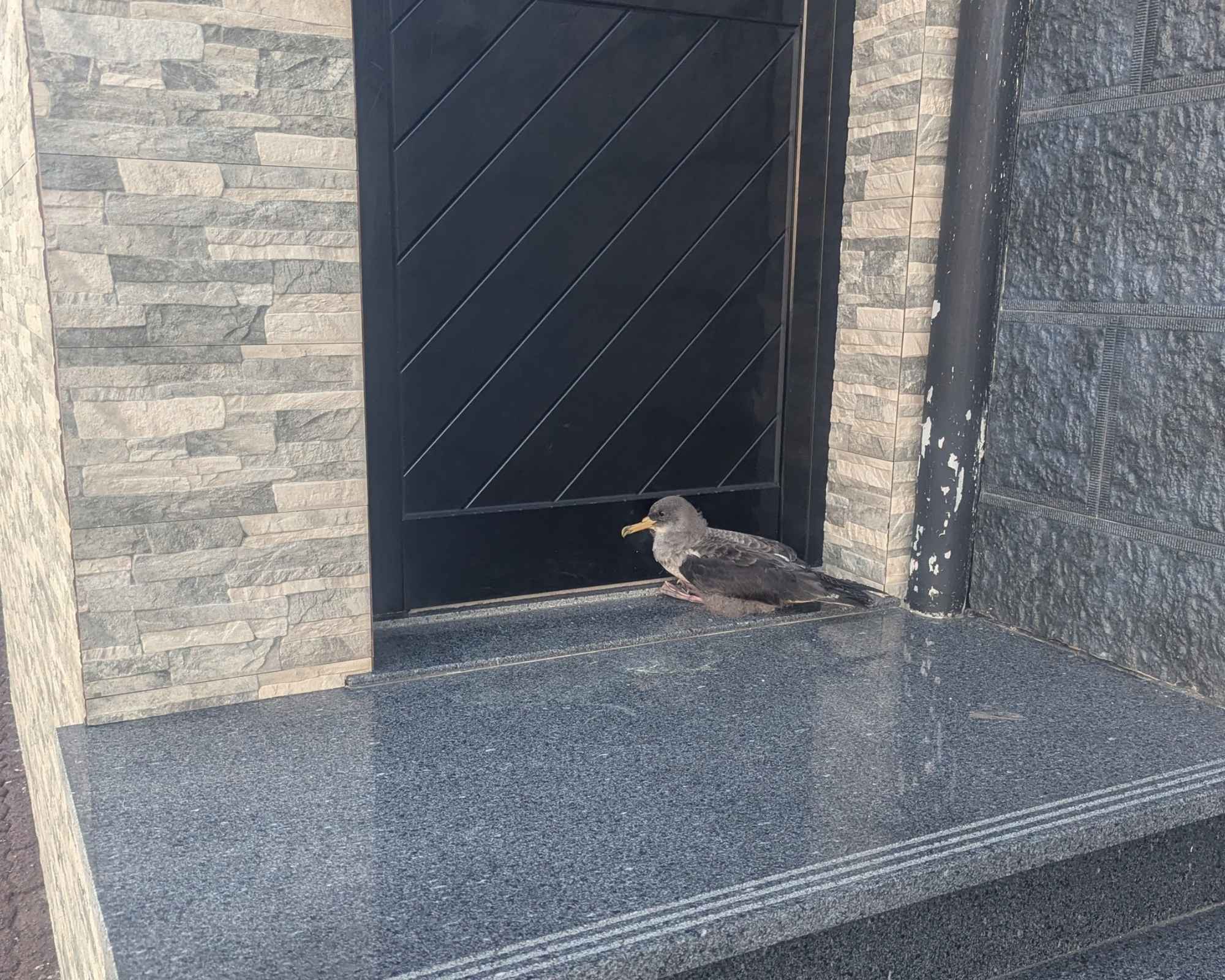
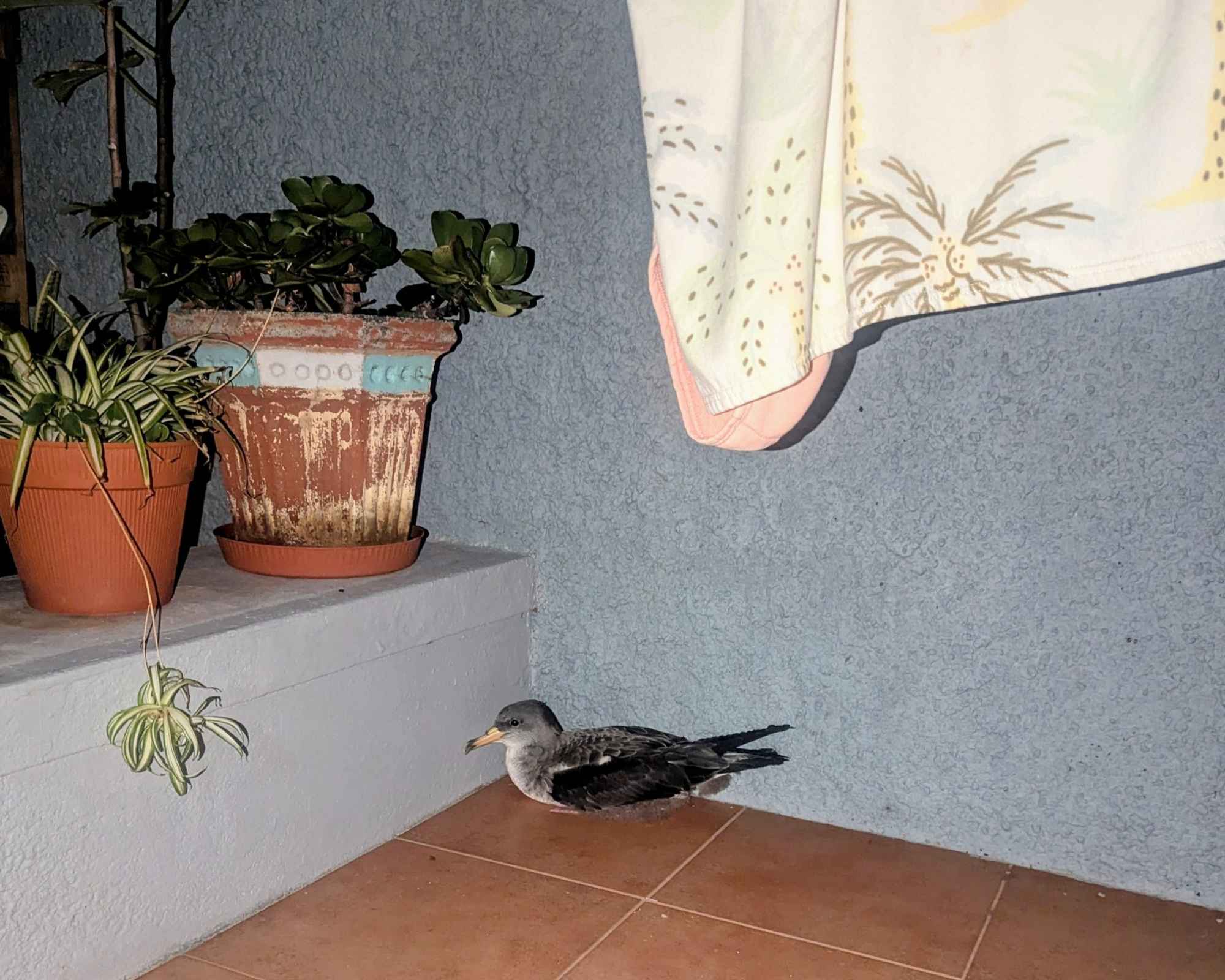
It’s quite a special feeling when a seabird like this suddenly lands right in front of you. You know that it’s actually at home out on the Atlantic and has only just begun its first big journey.
Of course, you want to help. And that’s exactly what all of us in Madeira can do.
What should you do if you find a cagarra?
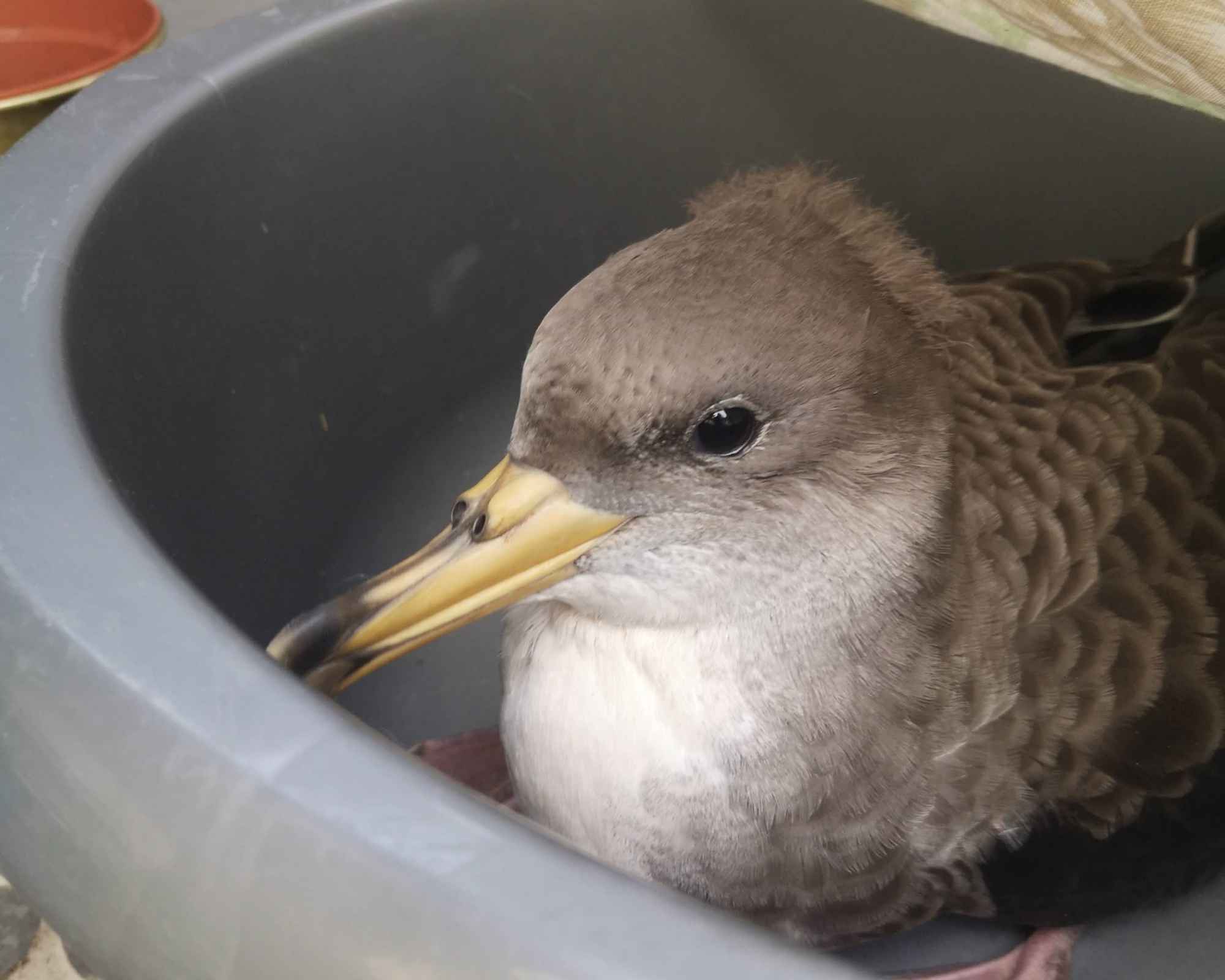
If you spot a bird like this in the morning, you shouldn’t just leave it to fend for itself. Often, the birds aren’t injured, but are simply exhausted and disoriented from being disturbed during the night. From the ground, they are often unable to take off on their own.
Here’s how you can help:
Approach it carefully and use a towel or cloth to gently pick up the bird.
Place it in a cardboard box with small air holes.
Keep the box in a quiet, dark place.
Do not give it any food or water.
Contact the appropriate wildlife rescue center and follow their instructions.
Important phone numbers in Madeira:
SOS Vida Selvagem (IFCN) Hotline: 961 957 545 – Monday through Friday from 9:00 a.m. to 5:30 p.m.
GNR / SEPNA: 291 214 460 – weekdays from 5:30 p.m. to 9:00 a.m., and 24 hours a day on weekends and holidays.
The relevant authorities can pick up the animals, care for them, and, if necessary, release them back into the wild. https://ifcn.madeira.gov.pt/pt/contactos/rede-sos-vida-selvagem.html
An Unforgettable Moment: Back to Freedom
What I find particularly wonderful is the moment when the rescued birds can be released back into the wild.
If everything is in order and the responsible rescuers recommend their release, the birds are set free at a suitable location by the sea.
It’s a very special feeling to watch them spread their wings and finally fly off into the darkness. Just a moment ago, they were sitting exhausted on a patio or by the side of the road—and a few moments later, they’re back where they belong: over the Atlantic Ocean.
I think it’s a wonderful experience and shows that sometimes even a small gesture can make a big difference.
Maybe one morning you’ll find a cagarra on your doorstep, too. Then you’ll know what to do.
Don’t just look away. Because every bird that’s rescued gets a new chance at life out at sea.
This post is also available in: German